



01 May Why Lying in Bed Won’t Fix Your Back Pain
Article Rundown
- Bed rest may reduce pain, but it doesn’t rebuild resilience.
- Too much time lying down can actually slow recovery.
- Your mattress and sleep position matter more than most people realize.
- Walking and gradual movement are key to rebuilding back capacity.
Why Lying in Bed Won’t Fix Your Back Pain
If your back flares up and your first instinct is to stay in bed for days at a time, this is for you. One of the biggest myths in the back pain world is the idea that complete bed rest is the answer. People hurt their back, shut everything down, crawl into bed, and hope that enough time lying there will somehow “heal” them. The truth is more nuanced than that.
Now, I’m not saying lying down is always bad. In many cases, strategic rest can absolutely help calm symptoms down. But there’s a massive difference between using rest as a short-term reprieve and turning it into a long-term strategy. One helps you recover. The other keeps you stuck.
Why Lying Down Sometimes Helps
When you lie down, several things happen that can temporarily reduce pain. You reduce axial compression on the spine. Muscle guarding may calm down. Shear forces decrease. Depending on the injury, you may even slightly decompress the spine. For someone dealing with an acute flare-up, severe spasms, or an irritated disc, that reduction in load can feel like relief.
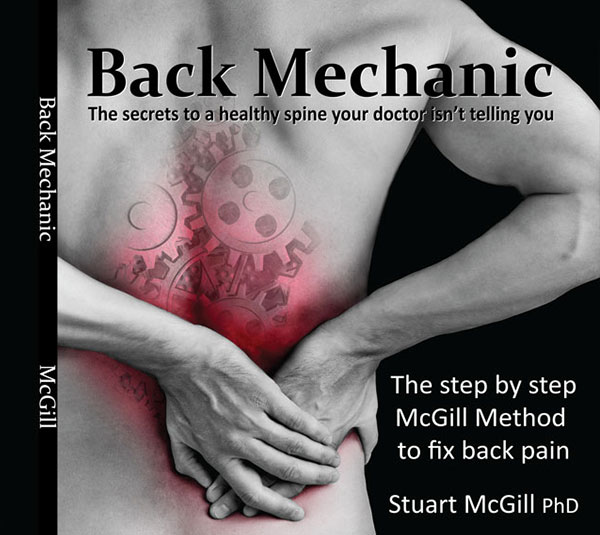
That’s why certain reprieve positions discussed in Back Mechanic can work so well. Short bouts of tummy lying, supported side lying, or lying supine with the legs elevated can sometimes help reduce symptoms enough to let the nervous system calm down. Here’s the distinction most people miss: Pain relief does not automatically equal healing. You can reduce symptoms without actually improving your body’s capacity to tolerate movement and load. That’s where prolonged bed rest becomes a trap.
The Problem With Staying in Bed Too Long
For decades, strict bed rest was commonly prescribed for low back pain. Over time, the research started showing that extended inactivity often delayed recovery rather than helping it. After a certain point, too much time in bed creates its own problems.
Core endurance drops. Circulation slows. You become deconditioned. The discs can become hyper-hydrated from prolonged unloading, which is one reason many people wake up stiff in the morning. Then the cycle begins.
You lie down because you hurt. You stay there too long. You finally stand up and feel even stiffer and weaker than before. The movement scares you, so you go back to bed. That isn’t healing. That’s chasing your tail. The spine does not become resilient from complete avoidance. It adapts through intelligently dosed movement and gradually rebuilding capacity over time.
Your Mattress Matters More Than You Think
If you are going to lie down and rest, your setup matters. A mattress that’s too soft may allow you to sink into flexion and lose natural spinal position. A mattress that’s too hard can create pressure points and increase guarding, especially in compression-sensitive individuals. The goal is to support neutrally.
For some people, that means lying on their side with a pillow between the knees and additional lumbar support. Others do better lying on their back with the legs elevated. Some people benefit from short bouts of tummy lying. It all depends on the injury mechanism and the individual presentation. There is no universal sleeping position that works for everyone. That’s why understanding your pain triggers and movement patterns matters so much.
Movement Is the Real Medicine
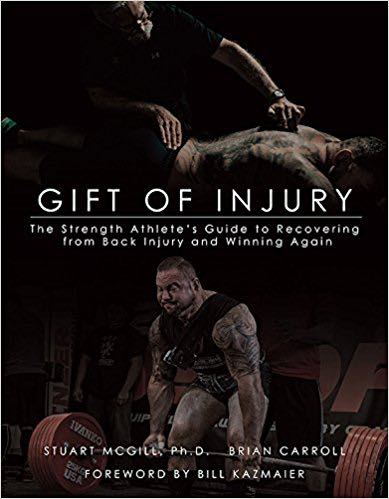
One of the most important concepts in Back Mechanic and Gift of Injury is the idea that walking is “nature’s backbone.” Walking promotes circulation. It nourishes the discs. It reinforces proper spinal rhythm. It creates gentle cyclical loading that helps the nervous system regain confidence in movement again. Most importantly, walking teaches you that movement itself is not the enemy.
That doesn’t mean you force things aggressively or test your pain every five minutes. It means you gradually expose yourself to tolerable movement and slowly build back capacity. Maybe that starts with five minutes upright. Then a short walk. Then several small walks throughout the day. That progression matters more than most people realize.
Reprieve, Not Retreat
There are times when temporary rest is appropriate. Acute spasms, severe flare-ups, nerve irritation, or highly inflammatory episodes may require a short period of unloading. But the keyword is temporary. Lying down should be used as a reprieve, not a retreat from life.
The goal is not to become comfortable staying in bed. The goal is to regain the ability to move, work, train, and live again. Too many people feel slightly better and immediately jump from bed rest straight back into heavy lifting, manual labor, or hard training. Then they wonder why they end up right back where they started. Capacity has to be rebuilt gradually.
The Big Takeaway
Lying down can absolutely help calm a painful back down in the short term. Sometimes it’s necessary. Sometimes it’s the exact reset your body needs. Long-term recovery requires more than symptom relief. It requires movement. It requires rebuilding tolerance. It requires intelligently increasing your ability to handle life again. Relief comes from calming things down. Resilience comes from rebuilding capacity.


Sorry, the comment form is closed at this time.