



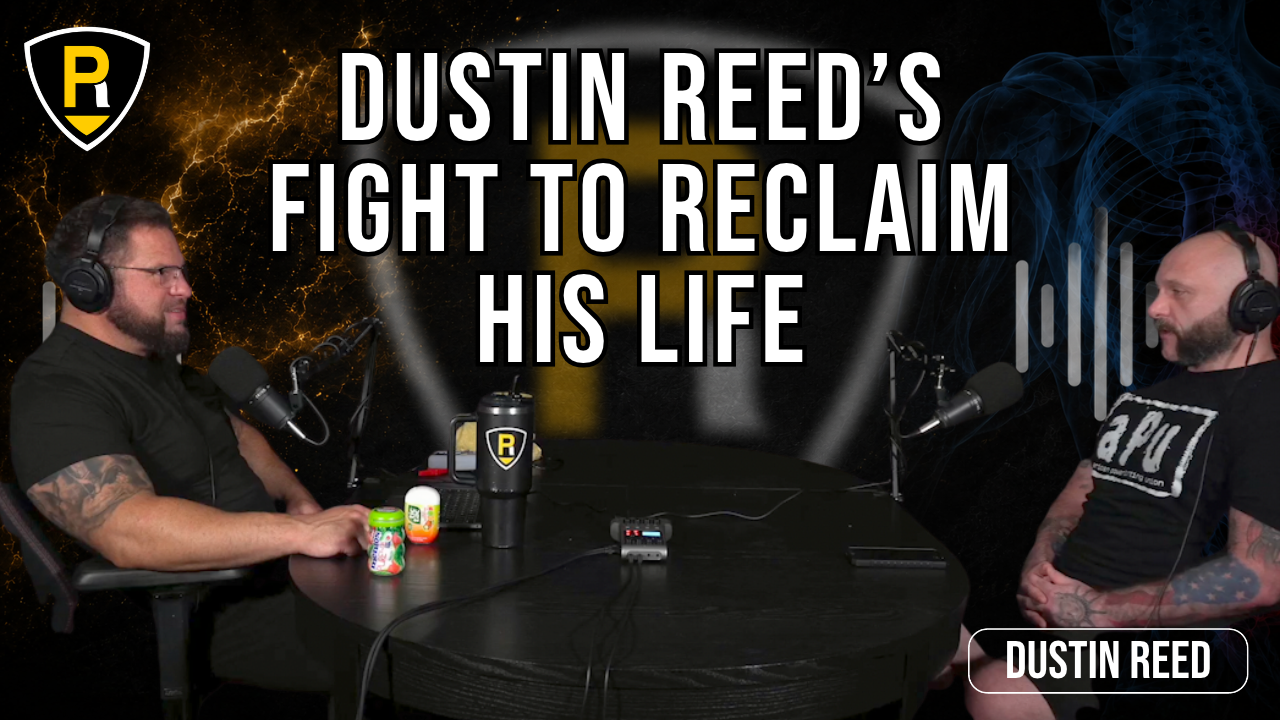
07 Nov From 1,000-Pound Squats to Losing Everything: Dustin Reed’s Fight to Reclaim His Life
Article Rundown
- Dustin Reed’s battle with chronic back pain, mental health struggles, and substance abuse nearly ended his powerlifting career.
- The importance of individualized back assessments, proper movement mechanics, and rehabilitation.
- How legendary powerlifter Sam Byrd helped Dustin through some of the darkest moments of his life.
- Rebuilding strength, confidence, and hope through patience, consistency, and a structured recovery plan.
From 1,000-Pound Squats to Losing Everything
What happens when a world-class strength athlete loses the ability to do the one thing that gives his life purpose? For some, the physical pain is only the beginning. The mental toll of losing strength, confidence, and identity can be just as devastating.
I recently sat down with powerlifter Dustin Reed after working with him through an intensive back assessment. Dustin has experienced severe back pain, personal struggles, substance abuse, and a mental health crisis that nearly cost him everything. When he arrived, he wasn’t expecting a miracle. He wanted someone to help him understand what was happening and whether he could ever lift seriously again.
Finding Hope Through a Proper Back Assessment
One of the first things Dustin told me was that he felt six inches taller after our work together. He hadn’t realized how much his pain had changed his posture, movement, and confidence. His wife, Amanda, became emotional watching him walk differently and begin to recognize himself again.
I’ve seen how chronic pain can wear people down. It changes how they move, how they carry themselves, and sometimes how they view their entire lives. That’s why my assessments involve more than looking at an MRI and prescribing exercises.
I take a detailed history, identify movements and positions that reproduce symptoms, and determine what helps reduce them. This approach comes from years of studying and working alongside Professor Stuart McGill. His influence taught me the importance of recognizing individual pain mechanisms rather than applying the same rehabilitation program to everyone.
Why Individualized Rehabilitation Matters
There’s a misconception that the McGill approach means never bending your spine or moving naturally again. That couldn’t be further from the truth. The objective is to understand what someone can tolerate at a particular stage of recovery and build from there.
An exercise that helps one athlete might aggravate another. It isn’t always about whether an exercise is good or bad. It’s about choosing the right movement, applying the appropriate load, and progressing when the individual is ready.
Dustin’s assessment demonstrated that principle. We identified painful movements, adjusted his positioning and bracing, and found ways for him to move more comfortably. I couldn’t promise him a timeline for returning to heavy lifting, but I could give him a starting point.
Sam Byrd and the Power of Mentorship
Our conversation eventually turned to legendary powerlifter Sam Byrd, someone Dustin considers a father figure. I’ve known Byrd for years, and I’ve always respected his accomplishments both under the bar and in his legal career.
Dustin’s relationship with Byrd began after an earlier military back injury. While working a well-paying job, Dustin encountered Byrd at a gym in Tennessee and received an invitation to train with him on Sunday mornings.
When his employer wouldn’t accommodate the schedule, Dustin left that job for one paying significantly less. He wanted the opportunity to learn from one of the strongest squatters in powerlifting history.
Their relationship eventually grew beyond training. Byrd helped Dustin develop as a lifter and later supported him through some of his darkest personal experiences.
When Pain and Personal Struggles Take Over
Dustin described how his life deteriorated after his back problems returned. Despite previously working with me virtually and making progress, he eventually resumed heavy training before establishing the stability and movement control he needed.
As his pain increased, he began relying on alcohol and other substances to get through training. What started as an attempt to manage discomfort developed into a dangerous pattern involving excessive drinking and drug use.
Eventually, Dustin experienced a severe mental health crisis that resulted in incarceration and psychiatric treatment. Byrd played an important role in encouraging him to seek help and accept treatment.
This part of our conversation was difficult but important. When someone becomes desperate to escape pain, they can make decisions that create far greater problems. Dustin openly acknowledged those mistakes and emphasized how much his life has improved since addressing his substance use and mental health.
Performance-Enhancing Drugs and the Cost of Strength
We also discussed performance-enhancing drugs and their place in competitive powerlifting. Both of us have spent considerable time around elite lifters, and neither of us pretended that drug use doesn’t exist in the sport.
Dustin described his experiences with anabolic steroids, particularly trenbolone, and the negative effects he associated with its use. He discussed increased aggression, relationship problems, and injuries that occurred during periods when he was taking it.
I’ve had my own experiences with different compounds throughout my competitive career. One thing I’ve learned is that increasing drug exposure doesn’t automatically produce better performance. More muscle, more aggression, and more strength mean very little if an athlete cannot train consistently or stay healthy.
There are serious cardiovascular, hormonal, and psychological risks associated with anabolic steroid misuse. Dustin’s experiences illustrate why chasing performance without considering the consequences can become destructive.
Rebuilding Confidence Before Rebuilding Strength
Later in our conversation, Dustin explained that he had worked with numerous professionals but still felt uncertain about his future. He had been told to stop powerlifting, consider other activities, or accept that his body couldn’t handle the sport anymore.
I wanted to understand his pain rather than immediately tell him what he couldn’t do. During our assessment, we worked on positioning, movement mechanics, bracing, and controlled exercises. By the end of our time together, Dustin was performing movements he hadn’t expected to tolerate, including work with a safety squat bar.
That doesn’t mean his back was suddenly healed. It means we identified ways to reduce his symptoms and begin rebuilding his capacity. The next challenge is consistency. Dustin loves heavy lifting, and that enthusiasm can become a problem if he progresses faster than his body is prepared to handle.
The Long Road Back to the Platform
Dustin made a significant financial and personal commitment to travel for this assessment. Amanda encouraged him to make the trip when he was questioning whether another attempt at rehabilitation would be worthwhile. I’m grateful they trusted me with that opportunity.
We finished our conversation discussing what the future might look like. Dustin dreams of returning to the platform and eventually putting enormous weight on his back again. I respect that ambition, but our immediate priorities are controlling symptoms, rebuilding tolerance, and making consistent progress. I can’t guarantee he’ll squat 1,000 pounds again. What I can say is that he left with a better understanding of his back, a plan to move forward, and something he hadn’t felt in a long time.
Contact Info and More!
For more on Brian Carroll:
Website: PowerRackStrength.com
Email: Brian@PowerRackStrength.com
Instagram: BrianCarroll1306
Buy Gift of Injury!
Buy Back Mechanic!
Buy Ultimate Back!
Buy Back Mechanic!
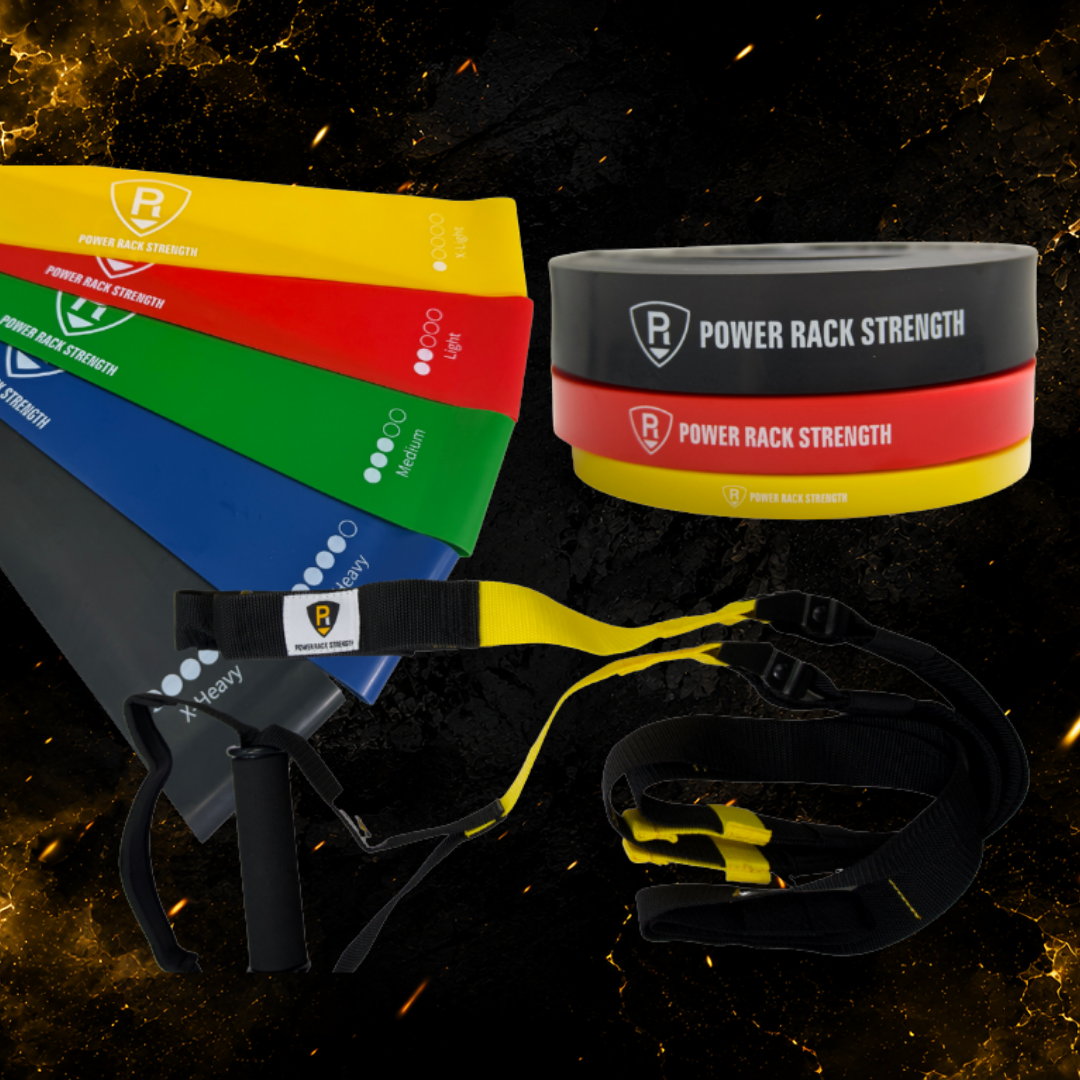
PRS Bands and Straps!

Sorry, the comment form is closed at this time.