



21 Jan Weight Loss Peptides, GLP-1s, and Back Pain: What Actually Matters
Article Rundown
- R3 and other GLP-1 weight loss peptides can reduce joint pain mainly by lowering body weight, not by fixing mechanics
- Rapid weight loss without strength and core training can expose instability and bring back back pain
- Knees often feel better from reduced compression, while the spine may become more sensitive if stiffness is lost
- No peptide is a magic fix — capacity, strength training, and proper nutrition always matter most
Weight Loss Peptides
Weight loss peptides are everywhere right now. GLP-1 agonists in particular have exploded in popularity, especially now that several have gone through human trials and are being prescribed more widely. Naturally, I have people asking me a very specific question.
Brian, if I take a GLP-1 or one of these newer weight loss drugs, will it help my back pain?
I have also seen questions about whether some of these compounds help joint pain, especially the knees. I have read the research, I have people around me who have tried multiple versions, and I have spent a lot of time discussing this with Chris and reviewing his work as well. What follows is my honest take on what these drugs can help with, what they absolutely do not fix, and where people get themselves into trouble.
Why R3 Is Different From Traditional GLP-1s
For the sake of this discussion, I am going to refer to one compound as R3. This is not just another appetite suppressant. R3 is a triple agonist that targets GLP-1, GIP, and glucagon receptors. That distinction matters.
Older GLP-1 drugs primarily blunt appetite. People eat less, lose weight quickly, lose muscle, and often end up skinny fat and weak. When their appetite returns, the weight comes back because no habits were changed and no capacity was built.
R3 works differently. It influences energy expenditure, fat oxidation, insulin sensitivity, and metabolic signaling at a deeper level. That is why the weight loss tends to be faster, more systemic, and in many cases more sustainable. From what I have seen, it is also the least detrimental of the current options when used properly.
That said, none of this makes it a back pain solution on its own.
Why Knees Often Feel Better First
Most of the positive joint reports I have seen focus on the knees, and that makes sense. Knees are load sensitive, just like the spine. If someone has been carrying excess body weight for years and suddenly drops ten to fifteen percent of their body weight, compressive forces decrease immediately.
If knee pain was driven by cumulative overload or compression, that relief can be dramatic. Less load, less irritation, fewer symptoms. That does not mean cartilage regenerated or the joint healed. It means the joint is simply being treated more kindly.
However, there is another side to this. I have also seen people, particularly hypermobile individuals, lose weight very quickly and suddenly develop knee pain where none existed before. The protective mass and muscular tension that once helped stabilize the joint disappears faster than the body can adapt. Instability replaces compression, and pain shows up for a different reason.
The Spine Plays by Different Rules
The spine is not the knee. Back pain is often driven by instability, loss of stiffness, ligament stress, poor muscular endurance, and low tolerance to daily loads.
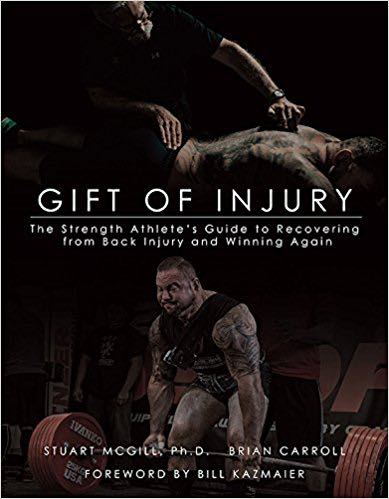
In Gift of Injury, I talk openly about how dropping body weight helped me. I did not tolerate compression well, and reducing axial load allowed me to heal and eventually lift again. In that context, weight loss was helpful.
But I have also seen the opposite many times. Someone loses a significant amount of weight in a short period, loses muscle, never trained their core properly, and suddenly their back pain returns after years of being quiet. The stiffness that once stabilized the spine is gone. The capacity was never built. Instability takes over.
Fat, muscle, and even sheer girth can contribute to spinal stability. Remove it too quickly without replacing it with strength and endurance, and symptoms creep back in.
Inflammation, Diet, and What Gets Confused
Some studies suggest these drugs reduce low-grade systemic inflammation. That may be true, but it is hard to separate the drug from the behavior change. People eat less. They often eat fewer calorie-dense, inflammatory foods. Of course, inflammation improves.
That does not mean the drug healed the joint or fixed spinal mechanics. It means background inflammatory noise dropped. That distinction matters.
Where People Get Hurt
The biggest risk with R3 or any GLP-1 is misuse. Rapid weight loss combined with low protein intake, reduced training intensity, and no core work strips away protective tissue. Muscle atrophies. Endurance drops. Stiffness disappears.
People start saying things like, my back feels fragile, my knee feels unstable, my joints do not feel supported. That is not a mystery. Capacity was removed faster than it was rebuilt.
A spine adapted to load still needs support. Getting lean does not automatically make you resilient. In many cases, it makes you more sensitive unless you have trained the system underneath it.
What Actually Matters
No peptide fixes mechanics. None of these drugs build muscle. None of them create resilience.
If someone is very heavy and does not tolerate compression, weight loss may help reduce pain. If someone expects a magic bullet for back pain, they are going to be disappointed.
R3 looks promising for long-term weight loss because it addresses multiple pathways instead of just killing appetite. Used intelligently, it may be part of a larger process. But capacity always wins.
You still need strength training. You still need core endurance. You still need enough protein, adequate fats, and good spine hygiene. Without those, no drug will save your back.
Weight loss can help joints. But earning capacity is what keeps them healthy.
Connect With Chris Duffin
Chris Duffin is a friend of mine, but I’m not affiliated with him in any way. I also can’t give you medical advice — I’m speaking strictly from a consulting standpoint and from my own personal experience. I’ve used these peptides myself and have had good results, but ultimately you’ll need to make the final call on what’s right for you. Please research and talk with Chris to see if it’s the correct fit for you, along with your medical provider.
If you compete or are performance enhancement tested, i.e., WADA, some peptides can test positive, so make sure that your federation, group, or job does not test for banned substances for performance. This does not make them illegal; it does mean some lifting and sporting federations do tests for peptides and other possible healing and performance-enhancing supplements, i.e., even caffeine over a certain amount, etc.
Blogs: https://www.chrisduffin.com/blogs/chris-duffin-blog
His email is Madscientistduffin@gmail.com.
Website: https://shop.enhancedexecutive.com
15 Min FREE Consult: https://calendly.com/madscientistduffin/discussion-sharing-vision-15-clone
VIP Consult: https://www.chrisduffin.com/products/peptide-consulation
20% off a one-time consultation: https://www.chrisduffin.com/products/super-human-healing-e-book
Use this Discount for peptides: Giftinjury7 – Use code giftofinjury (free ebook)
Buy Gift of Injury!
Buy Back Mechanic!
Buy Ultimate Back!
Buy 10/20/Life!

Shop PRS CBD!

Shop Low Back Supports


Sorry, the comment form is closed at this time.