



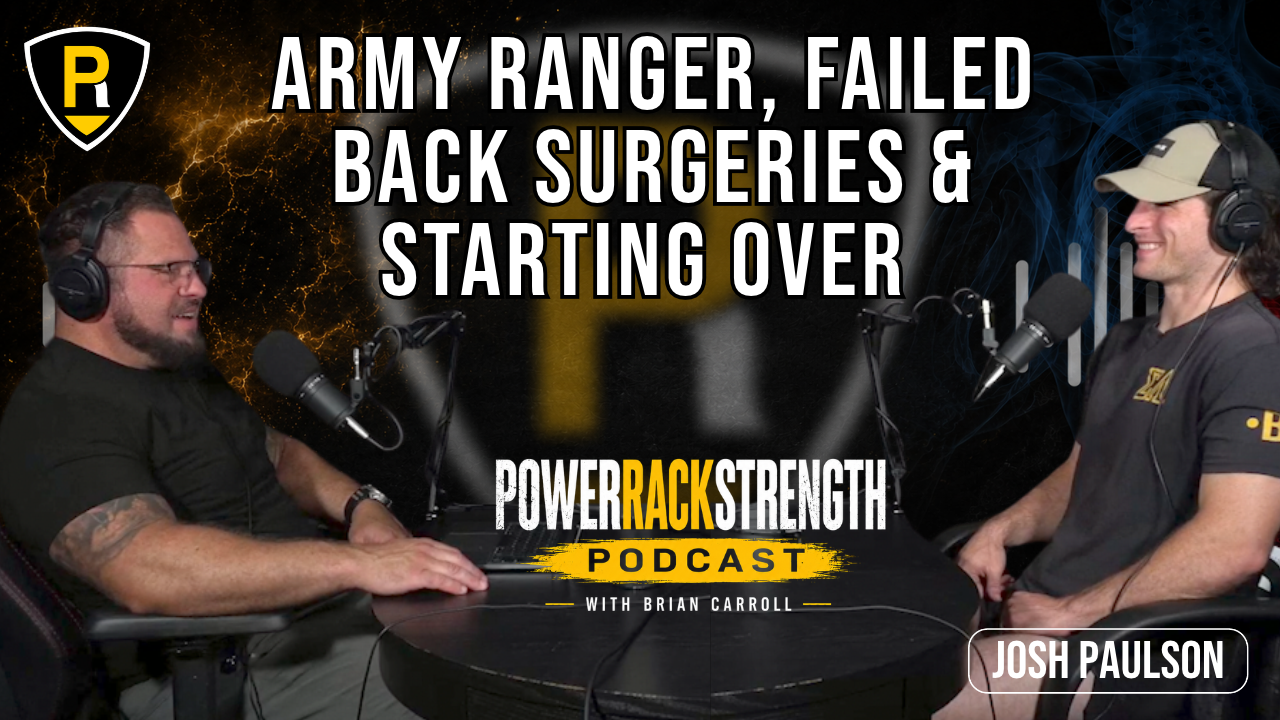
21 Nov When Mental Toughness Becomes Your Biggest Enemy: Josh Paulson’s Battle With Back Pain
Article Rundown
- Josh Paulson’s military career and his battle with debilitating back pain.
- Two failed back surgeries, medical retirement, and his journey toward recovery.
- The importance of individualized back assessments and rehabilitation strategies.
- Why doing less and managing physical capacity can lead to long-term progress.
When Mental Toughness Becomes Your Biggest Enemy
Sometimes, the very qualities that make someone successful are the same qualities that end up working against them. I see this quite often with competitive athletes, military personnel, and other highly driven individuals who struggle with back pain. They have spent their entire lives pushing through adversity, but what happens when pushing harder is no longer the answer?
Josh Paulson, a medically retired, Ranger-qualified U.S. Army veteran whom I am currently mentoring, is a great example of this. After two microdiscectomies and years of debilitating pain, Josh had to completely rethink his approach to training, recovery, and life.
From College Weightlifting to the U.S. Army
Josh grew up in South Florida playing high school football before attending the University of Central Florida. During college, he developed a passion for strength training. Like many young lifters, however, his training revolved around doing as much as possible without much consideration for programming or recovery.
Eventually, Josh decided to pursue a career in the military. He enlisted in January 2020 with aspirations of becoming a Green Beret. After voluntarily withdrawing from Special Forces selection, a decision he still regrets, he joined the 82nd Airborne Division, deployed to Kabul during the withdrawal from Afghanistan, and eventually graduated from Army Ranger School.
When Physical Demands Catch Up With You
The physical demands placed on military personnel are tremendous. Between carrying heavy equipment, running, jumping out of airplanes, lifting weights, and operating under extreme fatigue, these individuals are asked to be incredibly versatile athletes.
Josh had already experienced intermittent discomfort around his lower back and hip, along with occasional weakness in his left leg. Shortly after completing Ranger School, following an extended period of inadequate sleep, nutrition, and recovery, he returned to the gym and attempted a 340-pound deadlift.
That was his tipping point. What initially presented as discomfort around his buttocks progressively developed into debilitating pain. Unfortunately, he continued lifting, running, and stretching in an attempt to work through it.
Two Back Surgeries and a Medical Retirement
Josh initially contacted me in November 2022. We met virtually, and although he experienced some improvement after implementing my recommendations, he eventually returned to his previous habits.
After receiving temporary relief from an epidural injection, Josh underwent his first microdiscectomy. This surgical procedure involves removing portions of herniated disc material to relieve pressure on affected spinal nerves. Unfortunately, after returning to training and subsequently aggravating his injury, he required a second surgery.
Josh medically retired from the Army at just 25 years old. His physical limitations began affecting his mental health, relationships, confidence, and overall quality of life. For someone whose identity revolved around being strong and physically capable, this was particularly devastating.
Committing to the Recovery Process
Josh reached back out to me in early 2025 and underwent an in-person assessment. He was surprised by how much he could accomplish without provoking his symptoms. However, as he began feeling better, he gradually returned to doing too much.
In January 2026, we started again. This time, Josh brought his wife along to help keep him accountable and committed himself to making lasting changes rather than temporarily modifying his behavior.
Over the following six months, Josh experienced considerable improvement, with minimal setbacks. Activities he once feared, such as driving, sitting through classes, and getting out of bed, were no longer major concerns. Perhaps most importantly, he regained his optimism.
Understanding the Individual Back Injury
One of the biggest misconceptions surrounding the teachings of my mentor, Dr. Stuart McGill, is that we believe nobody should ever bend their spine. That is simply not true. The appropriate approach depends on the individual, their injury, and what provokes or alleviates their symptoms.
For example, someone with a symptomatic lumbar disc bulge may find that repeated spinal flexion aggravates their symptoms. Conversely, someone with spinal stenosis, a narrowing of the spaces within the spine, may experience relief with some degree of forward bending. This is precisely why a thorough assessment and individualized approach are so important.
The Discipline to Do Less
During my powerlifting career, I never needed to squat my competition best in training to know I was capable of doing it. When I squatted 1,306 pounds, I had never handled that amount of weight in the gym. I built the necessary capacity while leaving something in the tank.
For highly driven individuals, the hardest thing to do is often less. There is a difference between productive training and constantly testing your capacity. Just because you can perform an exercise does not necessarily mean you should make it a regular part of your training.
Building Strength With a Purpose
I am a big proponent of developing proximal stiffness to facilitate distal athleticism. In other words, developing a stable core allows us to transfer force more effectively through our extremities. Appropriately selected exercises involving pushing, pulling, carrying, hip hinging, and core training can go a long way toward building a strong, capable individual.
Today, Josh is attending school, shadowing me during client assessments, and working toward becoming a McGill Certified Provider. I am incredibly pleased with how far he has come and how much he has learned. His experience serves as a great reminder that sometimes the greatest demonstration of mental toughness is having the discipline to back off.
Contact Info and More!
For more on Brian Carroll:
Website: PowerRackStrength.com
Email: Brian@PowerRackStrength.com
Instagram: BrianCarroll1306
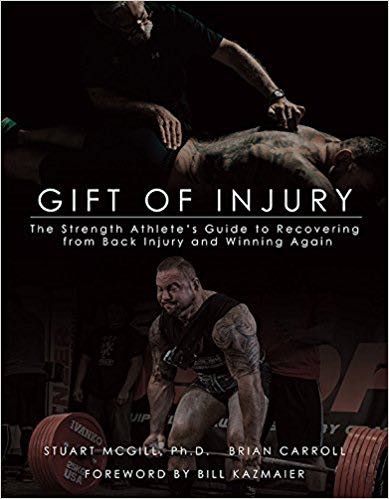
Buy Gift of Injury!
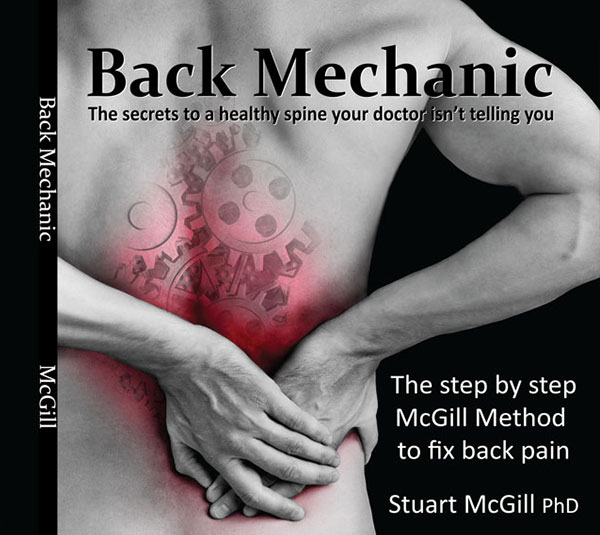
Buy Back Mechanic!
Buy Ultimate Back!

Buy Back Mechanic!
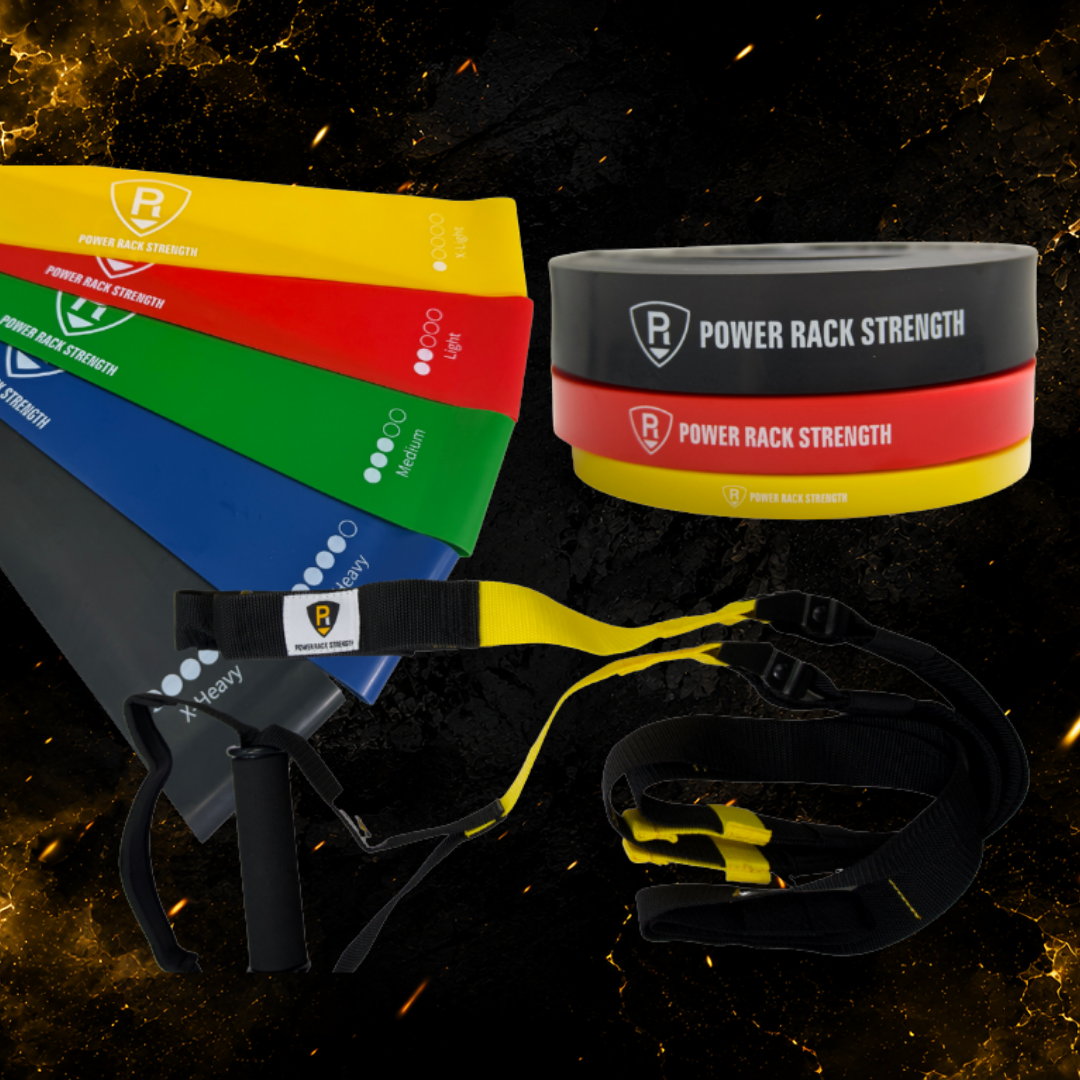
PRS Bands and Straps!

Sorry, the comment form is closed at this time.