



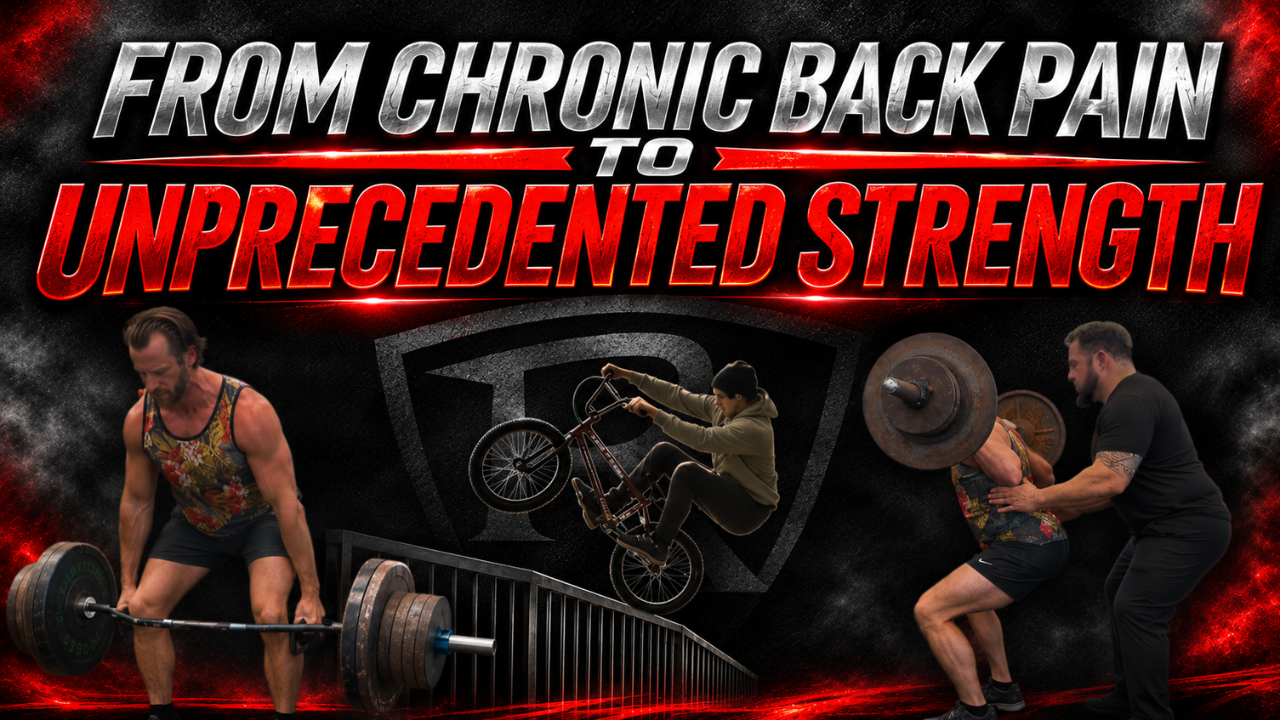
28 Nov From Chronic Back Pain to Unprecedented Strength: Phil’s Road to Recovery
Article Rundown
- Recurring back pain deserves attention before it becomes increasingly debilitating.
- Understanding individual pain triggers is essential when developing a recovery strategy.
- Progress should be measured through movement quality, physical capacity, and quality of life, not just pain levels.
- Strategic programming, workload management, and respecting your injury history can help support long-term progress.
Decades of Back Pain as a BMX Rider
What happens when you spend decades dealing with back pain, trying different treatments, and accepting recurring setbacks as part of your life? For many people, this becomes their reality. However, understanding your pain triggers and learning how to build capacity can change the trajectory of your life. My client Phil is a great example of this.
Phil spent years as a highly accomplished BMX rider, earning a reputation among some of the sport’s best riders. Today, he works in luxury residential architectural metal fabrication, a physically demanding profession requiring strength, precision, and endurance. His history of back pain dates back to when he was just 15 or 16 years old. Approximately every six months, he would experience another episode that temporarily took him out of commission. He would rest, recover, and return to riding until the cycle eventually repeated itself.
When Back Pain Becomes Debilitating
In May 2021, following extensive shoulder surgery, Phil became heavily invested in running. One day, after completing a 10-mile run, he attended a CrossFit class involving high-repetition barbell squats. He felt something unusual during the squats, and the following day, a severe back spasm brought him to the floor.
His symptoms extended down his right leg, affecting his ability to walk, climb stairs, and perform everyday tasks. For roughly six months, he struggled with significant limitations. Eventually, he consulted a surgeon who advised against immediate surgery and recommended waiting to see how things progressed. While Phil appreciated not being rushed into surgery, he was still searching for a practical way forward.
Finding the McGill Method
Like many of my clients, Phil had experimented with numerous approaches to managing his back pain. These included yoga, aggressive stretching, foam rolling, and various mobility exercises. He frequently worked on eliminating morning stiffness and increasing flexibility throughout his lumbar spine without fully understanding how certain movements might be contributing to his symptoms.
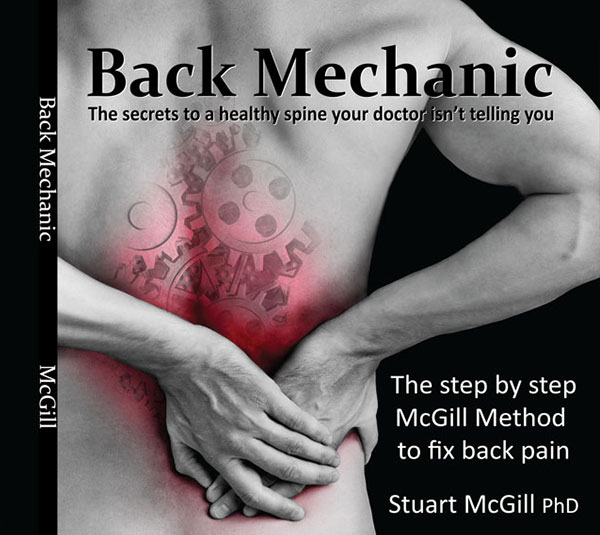
His search eventually introduced him to the work of my mentor, Dr. Stuart McGill, a distinguished spine biomechanics researcher. After reading Back Mechanic and listening to several interviews, Phil became increasingly interested in the McGill Method and discovered my story. He recognized an important distinction between simply getting out of pain and developing the ability to perform physically demanding tasks without aggravating his symptoms. After working with another practitioner and continuing his education, he decided to fly down to Florida to work with me.
Building Capacity Instead of Chasing Pain
When Phil initially came to see me, his expectations were relatively modest. He wanted to work comfortably, return to some recreational training, and potentially start running again. What he did not anticipate was eventually exceeding many of his previous physical capabilities.
One of the most interesting aspects of Phil’s progress has been the relationship between his symptoms and his increasing capacity. Rather than experiencing a perfectly linear recovery, he has gradually learned how to balance physical output, symptom management, and recovery. His movement quality has improved, and tasks that previously caused considerable apprehension have become increasingly manageable. The objective is not always to eliminate every symptom before progressing, but to understand when and how progression is appropriate for the individual.
Measuring Progress Beyond Pain Relief
During Phil’s recent visit, he squatted over 300 pounds, deadlifted over 400 pounds, and continued working on his bench press. He also reported previously completing three sets of five repetitions on the deadlift with 350 pounds without aggravating his existing symptoms.
Perhaps more importantly, these improvements have translated into his professional life. Phil can handle heavy materials and equipment with considerably more confidence. He has also developed strategies to mitigate symptoms when they arise, rather than allowing every minor setback to derail his progress. His ability to work, run, and strength train has improved substantially compared to when we first met.
Respecting Your Injury History
Getting stronger does not mean abandoning the principles that helped you recover. Phil understands that his extensive injury history requires him to be deliberate about how he manages his workload. Instead of spending six consecutive hours polishing a piece of brass, for example, he now incorporates strategic breaks and alternates between physical tasks and office work.
The same principle applies to strength training. Exercise selection, sequencing, volume, intensity, and recovery all matter. Sometimes, rearranging your workload allows you to accomplish just as much while avoiding unnecessary aggravation. Learning when to push and when to pull back is an incredibly valuable skill.
Address Your Problems Before They Grow
During our conversation, Phil referenced Jack Kent’s children’s book, There’s No Such Thing as a Dragon. The story illustrates how a seemingly insignificant problem can grow into something overwhelming when it continues to be ignored. I think this is a fitting metaphor for many people dealing with recurring back pain.
Phil views working with a McGill Method Master Clinician as an affordable investment in his long-term quality of life. Rather than continuing to guess which exercises or treatments might help, he wanted a more precise understanding of his situation. Every individual presents differently, and no two recovery journeys are identical. However, a thorough assessment, an individualized strategy, and consistent execution can provide a much clearer direction for those struggling with persistent back pain.
Contact Info and More!
For more on Brian Carroll:
Website: PowerRackStrength.com
Email: Brian@PowerRackStrength.com
Instagram: BrianCarroll1306
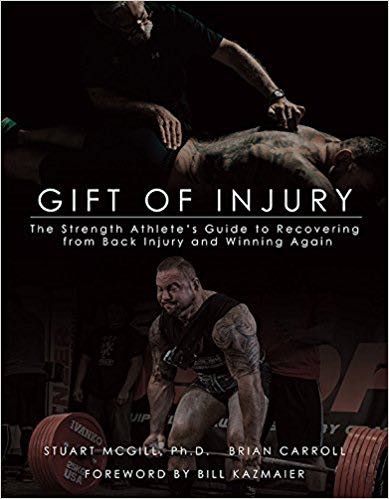
Buy Gift of Injury!
Buy Back Mechanic!
Buy Ultimate Back!

Buy Back Mechanic!
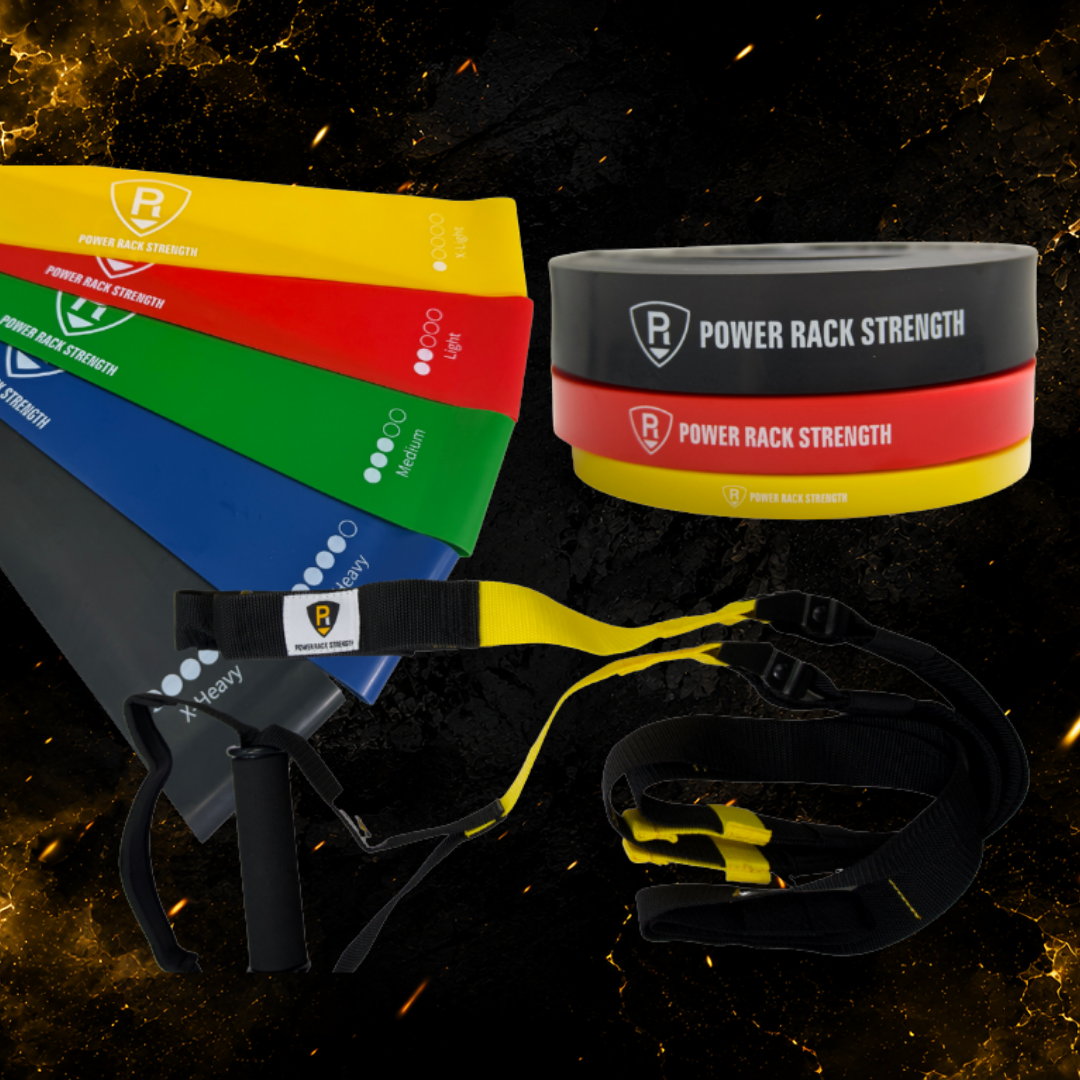
PRS Bands and Straps!

Sorry, the comment form is closed at this time.