



27 Mar My OWN Back Pain (Update!)
Article Rundown
- Most people don’t fail because they’re broken — they fail because they rush the process and never rebuild properly
- Being pain-free isn’t luck — it comes from doing the right things consistently for years
- You’re not fragile — you just need discipline, better movement, and respect for load
- Do less, do it right, and keep doing it long after the pain is gone
Update On My Back Pain
Most people assume that once you’ve had a serious back injury, you’re stuck with it. They think you’ll always have pain, always have symptoms, and always be limited in what you can do. That you’re managing it, not truly past it.
So let me answer the question directly. Do I still have back pain? Do I deal with symptoms? Am I limited in my life because of my back?
No.
That answer usually throws people off. They expect some long explanation or a “yes, but…” answer. Now, that doesn’t mean I never feel anything. Of course, like anyone, I might get general aches here and there in my back, neck, or glutes. That’s just part of being active and putting mileage on your body. But I don’t deal with the symptoms that once defined my life. I don’t wake up stiff, guarded, or afraid of moving. I don’t structure my life around avoiding pain. My back is no longer the limiting factor.
From Injury to Full Capacity
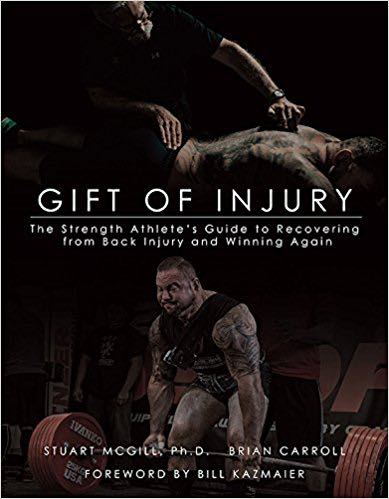
When I saw Dr. McGill in 2013, I was told I had no capacity left in my spine. If I were his son, he would have told me to retire. That was the reality I was facing at the time, and it wasn’t easy to accept.
But what I did next is what changed everything. I made the decision to approach the process like I knew nothing. I set my ego aside and treated it as a complete reset. I stopped trying to outwork the problem and started learning how to actually fix it.
That shift allowed me to rebuild from the ground up. I didn’t just get out of pain. I restored capacity. I went on to compete for another seven years, hit a 1,306-pound squat, and retire on my own terms. And now, more than a decade later, I’m still pain and symptom free. That doesn’t happen by accident. That comes from doing the right things consistently over a long period of time.
I’m Not Fragile — I’m Disciplined
People hear that and assume I must live cautiously or avoid anything that could put my back at risk. That I’m walking on eggshells or constantly thinking about reinjury. That’s not the case at all.
I still live my life. I train. I stay active. I help people when something needs to be moved, even when it’s heavy and awkward. I don’t turn things down because I’m afraid of my back. But I also don’t approach those situations carelessly.
There’s a big difference between being fragile and being disciplined. I follow the rules of the road. I move with intention. I use my hips to carry load instead of my spine. I maintain stiffness where I need it and avoid putting myself in positions that don’t make sense. I respect posture, volume, and recovery. I don’t do reckless things just to prove I can.
That’s not fear. That’s control.
The Real Key: Proximal Stiffness, Distal Athleticism
The foundation of everything I do comes back to one principle: proximal stiffness, distal athleticism. That means creating stability through the core while allowing the hips and limbs to do the work.
This isn’t something I turn on for training and forget the rest of the day. It shows up in how I move all the time. How I hinge, how I squat, how I pick things up, how I carry myself throughout the day. It’s built into everything.
I still do my core work. I still walk. I still manage my bodyweight and overall health. I rotate between sitting, standing, and moving. These aren’t temporary fixes or things I did during rehab. They’re habits I’ve kept.
Most people get this wrong because they think the answer is doing more. More exercises, more stretching, more intensity. In reality, it’s about doing the right things, the right way, for long enough that they actually stick.
Do the Work — Then Keep Doing It
People want a timeline. They want to know how long until they’re fixed, how quickly they can get back to normal, and how fast the pain will go away. That mindset is exactly what keeps them stuck.
Nothing meaningful gets rebuilt in a few weeks. What I have now came from years of consistent, disciplined work. Not shortcuts. Not guessing. Not jumping from one solution to the next.
I rebuilt my spine by respecting it, understanding it, and training it properly. And just as important, I never stopped doing those things once I felt better.
That’s why, 13 years later, I can say I’m pain-free. Not because I got lucky, but because I did less, better, for longer, and I stuck with it.


Sorry, the comment form is closed at this time.